


Chlorine is one of the popular chemicals used to maintain the health of swimming pools. It helps keep the swimming pool clear and free of algae and harmful microorganisms. Although this chemical is widely used, a growing number of consumers are concerned of its toxic nature and lingering side effects. Today, more pool owners are switching to a modern alternative, the copper ionizer system.
Copper ionization technology is widely used as a chlorine-free pool sanitation method. A copper ionizer for pool systems works by releasing natural copper ions that eliminate algae, bacteria, and other microorganisms while keeping water safe for swimmers. This copper ionization pool system is considered one of the most eco-friendly and cost-effective alternatives to chlorine pool treatment.
Unlike chlorine-heavy treatments, a copper swimming pool ionizer uses safe, natural minerals to sanitize water without the harsh smell or irritation of chemicals. This makes ionized pool systems a healthier, eco-friendly choice for families, spas, and commercial facilities. Many pool owners today prefer using a copper ionizer for pool sanitation because it offers a natural and long-lasting way to maintain clean water without relying on harsh chemicals.
Do you know chlorine-free pools, also referred to as freshwater or chemical-free pools, have been around for several years now! Intec America is a pioneer of the copper ionization technology, which materialized the concept of a 100% chlorine-free and allergy-friendly pools.
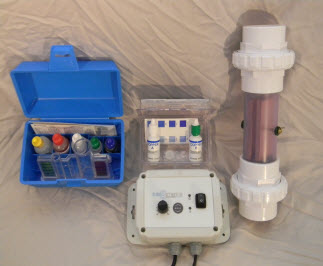
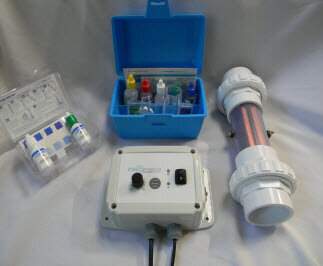
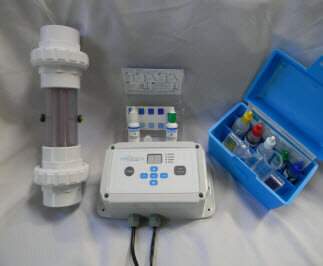
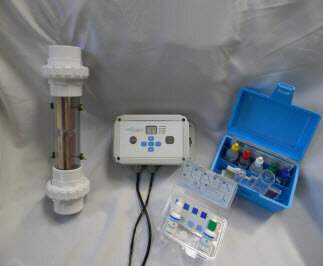
The swimming pool water ionizer concept was first developed by NASA and is one of the most effective and least expensive of all disinfecting methods used today. This method is proven to produce safe pool water that is not irritating to bathers. Copper ionization systems, provided by Intec, include an electronic control unit, the necessary test kits, and copper electrodes. Our clients also have access to our toll-free number for troubleshooting and training.
These systems function as a complete copper ionization pool system designed to keep water clean, safe, and easy to maintain.
Why Choose a Pool Ionizer System?
- Gentle on skin and eyes: Ionized pool systems avoid the burning, redness, and rashes caused by chlorine.
- Eco-friendly: Unlike chlorine, a water ionizer for pools does not release harmful byproducts into the environment.
- Long-lasting protection: Copper ions remain active in the water longer than chlorine, reducing the need for constant monitoring.
- Cost savings: Fewer chemicals, less balancing, and minimal ongoing costs compared to chlorine-based treatments.
A modern copper ionizer pool solution also simplifies overall water treatment, reducing the dependence on chemicals and complicated pool care routines.
Why are there Chlorine Concerns?
First, it must be understood how chlorine has benefited civilization. In fact, without it, many of us would not be around today. It was first used as a germicide in 1846 to prevent child bed fever. It was later used in water supplies in the mid 1800’s to prevent the spread of cholera and typhoid.
However, it was later discovered that when chlorine combined with certain organic compounds, harmful disinfection byproducts (DPBs) can be formed. Some of these have strict EPA guidelines as there is a strong correlation between long-term exposure and cancer. The most common groups of concerns are trihalomethanes (THMs) and haloacetic acids (HAAs). Other byproducts may not have as serious effects on the human body. Chloramines, for example, can cause unpleasant reactions such as rashes and breathing problems. Maintaining proper water chemistry, ensuring bathers heavily rinse themselves before entry, and eliminating all bodily fluids (sweat and urine for example) would greatly reduce these DPBs.
Today’s consumer is more educated and health conscious than at any other time in history. They demand healthy and nontoxic alternatives for food, water, and for the environment.
- Chlorine inhalation has been known to be an airways irritant and could trigger an asthma attack. Long-term exposure to chloramines from chlorinated pools may play a key role in the development of asthma. The more time a child/teenage spent in a chlorinated swimming pool, the higher the correlation of developing asthma.
- Byproducts of chlorination and long term exposure to swimmers have been linked to bladder problems, heart disease, and cancer in adults
- Irritated eyes and severe skin irritations due to reaction of chlorine with organic compounds found in body lotions, sunscreen, and cosmetics.
- Irritation of throat, nose, and lungs is a common symptom related to high chloramine levels.
- Chlorine and bromine are oxidants. These oxidants can cause hair damage, effect hair color, dry out skin and nail cuticles.
Because of these concerns, many homeowners are now exploring alternatives such as a copper pool ionizer that provides effective sanitation without chemical exposure.
What is Copper Ionization?
Copper ionization is a process where copper ions are introduced to a water source essentially using electrolysis. The copper ions are generated by using electrolytic controller devices also known as pool ionizer systems, that apply a low current to a flow cell that is plumbed into the pool’s return line. This method forms the foundation of a copper ionization for pools process that naturally eliminates algae and harmful microorganisms.
These flow cells may comprise of two or more electrodes with varying shapes and mineral composition. As the current is passed through the electrodes, metallic ions are released into the water stream. The process is an integral part of a modern copper pool system designed for healthier swimming environments.
Pure transition metals or alloys comprised of two or more transition metals are typically used. The most common alloys are 90% to 97% copper with the remainder being silver. Copper-zinc and copper-silver-zinc alloys are also being used depending on the application. Intec uses copper only electrodes (highest purity grade) for its swimming pool ionization systems.
 Copper Ionization
History of Copper and Silver Being Used for Treating Water
Intec America’s copper ionization water treatment systems benefit from the science that has been used for several centuries. The following snippets will help you to understand it better.
- The ancient Greeks and Egyptians were the first people to realize the benefits of copper and silver in preventing water contamination.
- In the Middle Ages, several European nations were affected by a deadly plague. In those times, a silver spoon was placed inside an infant’s mouth to avoid the disease.
- Early immigrants to America carried large wooden water casks with them. They placed silver and copper coins in these casks to avoid algae formation and to curb the growth of bacteria and viruses.
- Early settlers in the Australian outback used to suspend huge silverware in their water tanks to avoid spoilage.
- Algaecides formulated with copper ions have been widely used across the world by water treatment biologists to avoid algae formation for many years.
These historical practices demonstrate how copper has long been used in natural water purification methods, similar to today’s advanced copper ionizer technology.
Copper Silver Ionization and NASA
The copper-silver ionization technology was developed by NASA during the 1960s for water treatment on space missions. It used a copper-silver alloy for purifying the recycled water in a space craft. INTEC AMERICA CORPORATION was the first company to commercialize this technology for commercial and residential water treatment. We use high purity copper in our process as the alloys increase the potential for staining and discoloration. We have been offering this effective copper ionization technology for pools since the 1970s. We can proudly say that INTEC has been at the forefront of the copper ionization technology.
Today, the same science supports advanced copper ionization pool system designs used in residential and commercial pools worldwide.
How Does Transition Metal Ionization Work?
Modern copper ionizer pool systems operate using low-voltage electrolysis technology. These systems integrate easily with standard pool pumps and filters, forming an efficient copper pool filtration system that helps maintain balanced water chemistry and clear water conditions.
Copper, silver, and zinc are toxic to most microorganisms . As said before, these metal ions are released into the water through electrolysis. In a properly installed copper ionizer pool setup, these ions continuously circulate through the water, helping prevent algae growth and bacterial contamination.
Copper ions are known to disturb the enzyme balance by piercing their protective outer membrane in algae cells. Copper is the most effective in penetrating the membrane and also allows other transition metals to pass through as well. Due to this piercing, the algae cells are unable to intake gases and liquid, which ultimately kills them. Similarly, copper ions percolate the bacterial cells, and block photosynthesis, which helps curb the growth of bacteria. This natural disinfection process is one of the main reasons many homeowners prefer a copper pool system for long-term pool care.
Ionizers work effectively when they produce the required current to supply enough ions throughout the pool. Many smaller units and solar systems are under powered and require the use of chlorine for disinfection. Such systems are not 100% chlorine-free systems. However, they do reduce the amount of chlorine required to keep the pool clean. The more powerful units that can easily achieve residual levels of 0.5 ppm are considered effective and they do not require supplemental chlorine for sanitization.
Intec’s copper ionization pool systems are one of the most powerful systems of its type in the industry and uses larger electrodes than its competition. They are the most effective and use the purest grade of copper available to the water treatment market today.
Benefits of Copper Ionization
There are several advantages of opting for copper ionization for swimming pools. Here are a few of them:
- Copper ionization is a 100% safe and healthy option for treating spas, and pools. It is safe for humans and poses no harm to the environment.
- A copper swimming pool ionizer provides effective algae and bacteria control without chlorine, offering a natural and refreshing swimming experience. This type of copper ionizer for pool sanitation is widely recognized for reducing chemical dependency in pool maintenance.
- These pool ionizer systems can be easily retrofitted to any existing pool. They also integrate seamlessly with existing filtration setups including sand, cartridge, or DE systems, effectively supporting a pool copper filtration system.
- Unlike chlorine and other halogenated products, it does not produce harmful disinfection byproducts such as chloroform, chloramines, and trihalomethanes. In many cases, the ionization system works alongside the pool filter, creating a natural copper filter for pool environment that improves water clarity.
- Contrast to chlorine, copper ions remain in the water for a long time and are not affected by temperature changes and are not broken down by the U/V ray produced by the sun.
- Copper ions offers effective, long-lasting residual protection to prevent unwanted microbial growth.
- Unlike chlorinated pools, ionized pools created with a water ionizer for pools are safer for young children, the elderly, and individuals suffering from allergies and bronchitis.
- Ionized pools are the least expensive to maintain and are easy to operate and keep balanced.
- Any additives to balance the water chemistry can be found at your local grocery or hardware store. Meaning, not more trips to the pool store.
- Our pool ionizers possess user-friendly designs and are easy to install. Any pool, regardless of age, surface type, or filter can be retrofitted with our ionization system. This simplified process greatly reduces the complexity of copper ionization pool maintenance.
- Chlorinated pools and salt water pool owners tend to always fight a rising pH due to the sanitation process. Chlorine-free, copper-ionized pools are easy to maintain because they are pH neutral.
Are Pool Ionizers Safe?
Copper ionizers for pools are proven to be lethal for algae and other microorganisms. On the contrary, they are safe for human beings. A properly installed copper ionizer pool solution provides safe sanitation levels without exposing swimmers to harmful chemicals. Copper has been recognized as an essential mineral for the human body. Over the years, several tests were performed to analyze the effectiveness of copper ionization for swimming pools and other water bodies.
During the tests performed at the University of Arizona, it was concluded that the copper ionization water treatment is 1000 times effective than traditional treatments. These studies reinforce the effectiveness of copper ionization for pools as a reliable and natural sanitation method.
Why is a Swimming Pool Ionizer Safer and Better Than Most Water Treatment Chemicals?
Although water treatment chemicals may succeed in eliminating algae, viruses, or bacteria, they are labelled as toxins/poisons and are not good for the human body. A long-term exposure to these chemicals can have a damaging effect on the human body, fabrics, pool surface, pool liners, and equipment. Also, some of these chemicals are known to be carcinogenic.
On the contrary, copper causes no allergies and is one of the essential elements required for the human body. Supplemental copper in diets help with bone formation, regulating skin functions, promoting red blood cell integrity, and also contribute to various nervous and immune system functions. Doctors recommend adding copper to your diet to improve heart health and prevent the onset of cancer. It is also antibacterial, anti-inflammatory, and can boost brain health. We are not advocating drinking your pool water to meet your daily nutritional requirements. The intent is to educate consumers that copper is indeed a healthy option compared to toxic alternatives commonly used.
Unlike chlorine or bromine, a copper swimming pool ionizer provides natural sanitation without harsh side effects. This swimming pool water ionizer works by releasing safe mineral ions that keep the water crystal clear, instead of relying on chemicals that irritate eyes, skin, and lungs.
An ionized pool system not only helps avoid harmful disinfection byproducts but also ensures a more comfortable swimming experience, especially for children, the elderly, and those with sensitive skin. For homeowners looking for long-term, eco-friendly pool care, a water ionizer for pools is one of the safest and most cost-effective solutions available.
Compared to traditional systems, a modern copper pool ionizer offers a more balanced and eco-friendly water treatment approach.
What Are the Operational Costs of a Pool Analyzer?
The operational costs of a pool ionizer is substantially less compared to some popular chlorine water treatment systems. How much cheaper? The average 20,000-gallon pool can be maintained for 2-3 dollars a week. With these pool ionizers, the only costs you incur are towards electrodes and the sacrificial acids and bases used to control pH (you can purchase these at the grocery store or local hardware store.
At times, a filter aid may need to be added to keep the water crystal clear. The electrodes last on average two pool season. While many clients have used the same electrode 5-8 years with regular and timely maintenance. The electricity costs are trivial since the system only runs while the pump is running and requires about the same electrical draw as a digital alarm clock radio.
A complete copper ionization pool system significantly lowers long-term pool care expenses while maintaining crystal clear water.
Tips for Copper Ionization and Pool Maintenance
Here are a few easy-to-follow tips for the maintenance of copper ionization pool systems and pools using them:
- Copper Electrodes: The electrodes will wear down as the copper is slowly pulled from them. It is important to check them every few weeks to assure they are in a good working condition. Regular inspection helps ensure efficient copper ionization pool maintenance.
An indicator that your copper bars are wearing out would be the need of running your ionization system much longer to increase or maintain copper levels. Our system does have a self-cleaning process to prevent scale from forming on the electrodes if your calcium hardness is elevated. - pH and Alkalinity: An ionized pool has a suggested pH range from 7.0 – 7.4. Copper ionization is considered pH neutral and the process of adding copper to your water does not increase, nor decrease the pH value. To add alkalinity and raise pH, it is suggested to use baking soda. To decrease pH and reduce alkalinity, the use of an acid (muriatic preferred) is suggested.
- Filter Aid: Debris and suspended matter always find a way into your pool. At time, these smaller particulates can pass through your filter. A clarifier or a mild oxidant can be used when need to assist in keeping your water clear. When used together with your filtration unit, the system acts as an effective pool copper filtration system to maintain water clarity.
- Total Solved Solids (TDS) and Calcium: Even though an ionized pool can work in a wide total dissolved solid range, below 1,000 is recommended as the water is not corrosive (300-500 ppm) is ideal. Use the pool or surface manufacturer’s guidelines for your calcium hardness levels. Higher levels are not harmful to the system; however, a white scum line will become prevalent when calcium levels are too high (also an indicator your pH may be high)
- The Dos and Don’ts: 1) Never shock an ionized pool. The high hypochlorite levels will oxidize the copper and fix the copper to the side of the pool causing blue discolorations. 2) Never use a metal out or sequestering agent (aka chelation agent) to address iron, manganese, or any other metal stains. This would attack the copper electrode and could be damaging to other equipment such as a heater if precautions are not taken. If you have any discolorations (organic or inorganic, contact Intec and we will help determine the stain and what can be used to remove any stains or discolorations.
For long-term performance, copper ionization pool maintenance typically involves monitoring copper levels, maintaining proper pH balance, and periodically inspecting electrodes. When used correctly, a copper pool ionizer significantly reduces chemical dependency and simplifies routine pool care.
Tips for the Safe Installation of Intec’s Copper Ionization Systems
If you are already convinced that the Intec copper ionization system is right for you, the last question always relates to “how do I convert my pool” or “will it work on my type of pool or filter”. These systems are in fact designed to be easily installed to an existing pool by the home owner. It will work on any type of surface (plaster/guanite/concrete, vinyl, fiberglass, and even Pebble Tec). It is compatible with any filter (sand/zeosand/glass, cartridge and diatomaceous earth). It is safe to be used with any type of heater or chiller, if present.
The following tips will be helpful during the installation.
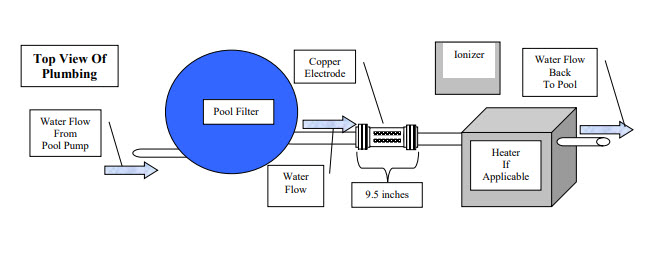
- Install the pool ionizer electrode in the return line of the pool after the filter. The only tools you will need is a measuring tape, saw, and plumbing cement.
- The electronic control of the ionizer can be secured to a wall or fence by the system. Mounting screws are not provided and a drill may be necessary to complete the install.
- To make the proper electrical connections, simply attach the lead wires to the electrode. The power supply is simply plugged into a standard outlet (GFI recommended). You do have the option(s) to wire the system into a wireless controller or hardwired into a pump or timer. The latter options should be handled by a licensed professional.
- Follow the safety instructions given by the manufacturer during the installation.
These systems are designed to integrate smoothly with any pool filter, creating a reliable copper pool filter solution for long-term pool sanitation.
Other applications of Copper Ionization Systems
Do you think copper ionization systems are only suited for pools and jacuzzis/spas? No, there are several applications that have utilized copper ionization as part of their overall water treatment process. Following are a few of them utilizing these chlorine-free systems:
- Cooling towers
- Hot water systems in nursing homes and hospitals
- Livestock drinking water
- Agriculture irrigation
- Hydroponics, greenhouses, and nurseries.
FAQs
Q. Can a copper swimming pool ionizer be added to an existing pool?
A. Yes, most ionized pool systems are designed to retrofit into existing pools, regardless of surface type or filter setup.
Q. How does a pool ionizer system compare to saltwater pools?
A. Saltwater pools still generate chlorine, whereas a water ionizer for pools provides a truly chlorine-free experience. It’s easier to maintain and gentler on swimmers.
Q. Will copper ionization change the color or taste of pool water?
A. No. When maintained properly, copper levels remain safe and balanced, keeping the water crystal clear without altering taste or color.
Q. Are copper ionizers energy efficient?
A. Yes. Ionized pool systems run alongside your pool pump and consume very little electricity, similar to an alarm clock radio.
Q. How long do the electrodes in a swimming pool water ionizer last?
A. On average, electrodes last 2 seasons, but with proper maintenance, many users report 3+ years of use.